16 - Fat Feminism. cover art

16 - Fat Feminism.

16 - Fat Feminism.

Listen for free

View show details

About this listen

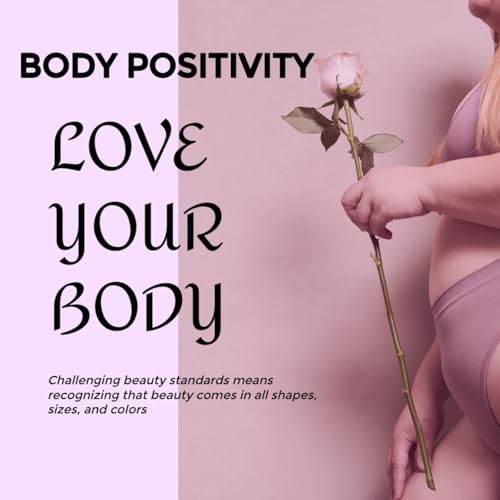
Fat Feminism. Fat feminism, often associated with "body-positivity", is a social movement that incorporates feminist themes of equality, social justice, and cultural analysis based on the weight of a woman or a non-binary feminine person. This branch of feminism intersects misogyny and sexism with anti-fat bias. Fat feminists advocate body-positive acceptance for all bodies, regardless of their weight, as well as eliminating biases experienced directly or indirectly by fat people. Fat feminists originated during third-wave feminism and is aligned with the fat acceptance movement. A significant portion of body positivity in the third-wave focused on embracing and reclaiming femininity, such as wearing makeup and high heels, even though the second-wave fought against these things. Contemporary western fat feminism works to dismantle oppressive power structures which disproportionately affect fat, queer, non-white, disabled, and other non-hegemonic bodies. It covers a wide range of topics such as diet culture, fat-phobia, representation in media, ableism, and employment discrimination. Fat feminism is a strand of feminist theory and activism that interprets societal biases against larger body sizes, especially among women, as extensions of patriarchal dominance over female autonomy and appearance, urging the dismantling of "fatphobia" through anti-diet advocacy and reframing fatness as neutral or positive variation rather than a health concern. Pioneered in the second-wave era by psychotherapist Susie Orbach's 1978 book Fat Is a Feminist Issue, the framework initially diagnosed women's fat accumulation as a subconscious rebellion against objectification and emotional suppression under male-centric norms, recommending group therapy to resolve underlying psychic conflicts instead of caloric restriction or exercise regimens. By the 1990s and 2000s, it expanded into academic fat studies and grassroots movements like fat pride, incorporating intersections with race, class, and sexuality to argue that weight-based discrimination parallels other oppressions, while promoting concepts such as Health at Every Size (HAES) to prioritize intuitive eating and joyful movement over weight reduction. Though credited with heightening awareness of employment and medical biases against fat individuals—evidenced by surveys showing higher rejection rates for obese applicants in professional roles—the approach has drawn scrutiny for sidelining causal evidence from cohort studies linking sustained obesity to elevated all-cause mortality, insulin resistance, and cardiovascular events, potentially fostering a cultural normalization of adiposity despite biomechanical strains on joints and metabolic pathways. Critics, including materialist feminists, contend that overemphasizing social constructionism neglects physiological realities, such as adipose tissue's role in chronic inflammation, thereby complicating efforts to address obesity's population-level burdens through evidence-based interventions like sustained energy deficits. Definition and Core Principles. Origins of the Term and Key Concepts. Fat feminism emerged as a branch of feminist thought in the late 1970s, positing that societal stigmatization of fatness constitutes a form of gendered oppression intertwined with patriarchal control over women's bodies. The phrase "fat is a feminist issue" gained prominence through British psychotherapist Susie Orbach's 1978 book Fat Is a Feminist Issue, which argued that women's fat accumulation often stems from emotional responses to restrictive gender roles and the male gaze, rather than mere personal failing or lack of willpower. Orbach framed dieting culture as a tool of subjugation, encouraging women to reject it as a pathway to reclaiming autonomy, though subsequent analyses have critiqued her work for inadvertently reinforcing associations between fatness and psychological distress. Central to fat feminism's tenets is the rejection of weight loss as a normative goal, viewing persistent dieting efforts as ineffective and symptomatic of broader sexist pressures that equate female value with thinness. Proponents assert that fatphobia—prejudice against larger bodies—intersects with misogyny by policing women's appearance to maintain power imbalances, thereby advocating for body size acceptance as an act of resistance against these dynamics. This perspective promotes paradigms like Health at Every Size (HAES), which originated in fat activist circles of the 1970s and emphasizes intuitive eating, joyful movement, and life-enhancing behaviors irrespective of body weight changes, positioning health as decoupled from thinness. Unlike the broader body positivity movement, which encompasses self-acceptance across diverse body types and has been diluted by commercial influences favoring thinner ideals, fat feminism maintains a sharper ideological focus on fatness specifically as a locus of feminist critique and ...
No reviews yet