Episodes

  • Friday 3 July Independence Day in Belarus
    Jul 3 2026

    This article explores the historical significance of Independence Day in Belarus, which is observed annually on July 3rd. While the nation initially recognized its 1990 separation from the Soviet Union, a 1996 referendum shifted the holiday to commemorate the liberation of Minskfrom German forces in 1944. The text highlights the immense human cost of World War II, noting that the country lost a third of its residents during the conflict. By choosing this specific date, the holiday serves as a tribute to the resistance and bravery of the Belarusian people against Nazi occupation. Today, the event stands as a major national celebration that prioritizes wartime heroism over modern political transitions.

    Show More Show Less
    6 mins
  • Thursday 2 July National Anthem and Flag Day in Curaçao
    Jul 2 2026

    Every July 2nd, the Caribbean nation of Curaçao commemorates its National Anthem and Flag Day through various cultural festivals and formal ceremonies. The official flag, which was first established in 1984, features a design where the colors and stars represent the natural environment and the individual islands of the territory. The country’s national anthem has also undergone significant changes, including a musical update in 1930 and a lyrical revision in 1978 to move away from its colonial origins. These celebrations primarily take place at notable locations like Plaza Brion and the Village of Barber, serving as a reflection of the country's unique identity within the Kingdom of the Netherlands. This source highlights how these patriotic symbols have evolved over time to better represent the spirit and history of the local people.

    Show More Show Less
    7 mins
  • Wednesday 1 July Sir Seretse Khama Day in Botswana
    Jul 1 2026

    This source examines the historical significance of Sir Seretse Khama Day, a public holiday honoring the founding president of Botswana. The text traces Khama’s journey from his royal heritage and controversial interracial marriage to his eventual exile under pressure from the South African apartheid regime. It highlights his pivotal role in transitioning his nation from a British protectorate to an independent, multiracial democracy in 1966. Additionally, the article notes the political legacy of the Khama family, mentioning his son’s later presidency. Brief mentions of current events and regional travel, such as the Kazungula Bridge, provide a modern context for the country’s geography and economy. Ultimately, the text celebrates Khama’s enduring reputation as a successful African leader and transformative figure in global politics.

    Show More Show Less
    6 mins
  • Tuesday 30 June Commemoration of the Freedom in British Virgin Islands
    Jun 30 2026

    This article reports on a specific public holiday in the British Virgin Islands known as the Commemoration of the Freedom. The text explains that this day honors the 250th anniversaryof a landmark event at the Nottingham Estate, which is recognized as one of the earliest free black communities in the West. This significant moment in history occurred in 1776 when a Quaker named Samuel Nottingham released his enslaved workers and granted them land to manage collectively. Because these actions preceded formal abolitionist movements, the source highlights the site's unique role in the global struggle for liberty. The publication also provides a snapshot of international news and local current events occurring on June 30, 2026.

    Show More Show Less
    7 mins
  • Monday 29 June Saint Peter and Saint Paul around the world
    Jun 29 2026

    This article examines the Feast of Saint Peter and Saint Paul, a significant Christian holiday observed annually on June 29th. The text details the historical martyrdom of these two foundational figures, noting that while Peter was crucified upside down, Paul was beheaded due to his status as a Roman citizen. Modern celebrations often involve coastal communities honoring Peter’s legacy as the patron saint of fishermen through the decoration of boats and wharves. Beyond the religious rituals, the source highlights the ancient origins of the feast, which is supported by archaeological evidence found in fourth-century catacombs. Additionally, the day is classified as a solemnity, allowing practitioners to waive certain dietary restrictions in observance of the occasion. These details are presented alongside a collection of global news headlines ranging from geopolitical conflicts to international sporting events.

    Show More Show Less
    8 mins
  • Sunday 28 June St. Vitus’ Day around the world
    Jun 28 2026

    This historical overview from the Occasional Digest examines the multifaceted significance of St. Vitus’ Day, which is observed on June 28. The text details the life of Saint Vitus, a third-century Christian martyr executed under Roman rule. It further explains how medieval German celebrations involving dancing eventually led to a specific neurological disorder being named in the saint's honor. Additionally, the source highlights the day's military importance, specifically citing the Battle of Kosovo in 1389. This pivotal conflict between Serbian forces and the Ottoman Empire resulted in centuries of imperial dominance in the region. Combined with current global news snippets, the article serves to bridge ancient religious history with significant geopolitical milestones.

    Show More Show Less
    8 mins
  • Saturday 27 June Independence Day in Djibouti
    Jun 27 2026

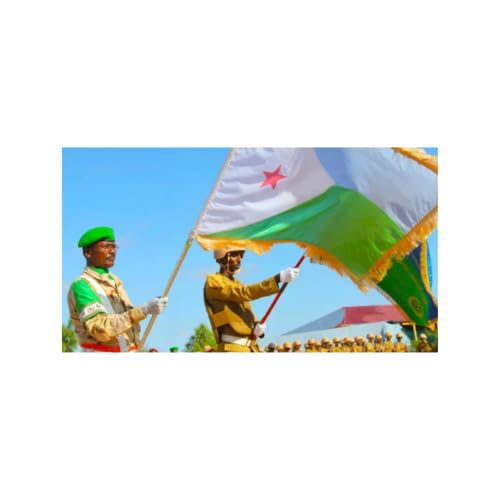
    This article explores the historical journey and cultural significance of Independence Day in Djibouti, which is celebrated annually on June 27th. After decades of French colonial rule and several disputed referendums, the nation finally achieved sovereignty in 1977 as the last French colony in Africa to do so. The text highlights Hassan Gouled Aptidon as a pivotal figure who transitioned from an activist to the country's first president. Modern festivities are characterized by military parades in the capital, political addresses, and vibrant public celebrations involving fireworks and music. Furthermore, the source notes the importance of traditional cuisine, such as lamb stew and flatbread, and mentions various theories regarding the etymological origins of the name Djibouti.

    Show More Show Less
    8 mins
  • Friday 26 June Armed Forces Day in Azerbaijan
    Jun 26 2026

    This text explores the historical origins and modern significance of Armed Forces Day in Azerbaijan, a public holiday observed annually on June 26th. The narrative traces the military's beginnings back to 1918, when the newly independent Azerbaijan Democratic Republic first organized its national defense forces before being absorbed by the Soviet Union. Following the restoration of national sovereignty in 1991, the government officially reinstated the military and later designated this date as a formal day of celebration under a presidential decree. Today, the commemoration honors the various branches of the military, including the land, air, and naval forces, along with associated security services. Ultimately, the source highlights how the holiday serves as a symbol of national identity and defense for the Azerbaijani people.

    Show More Show Less
    6 mins